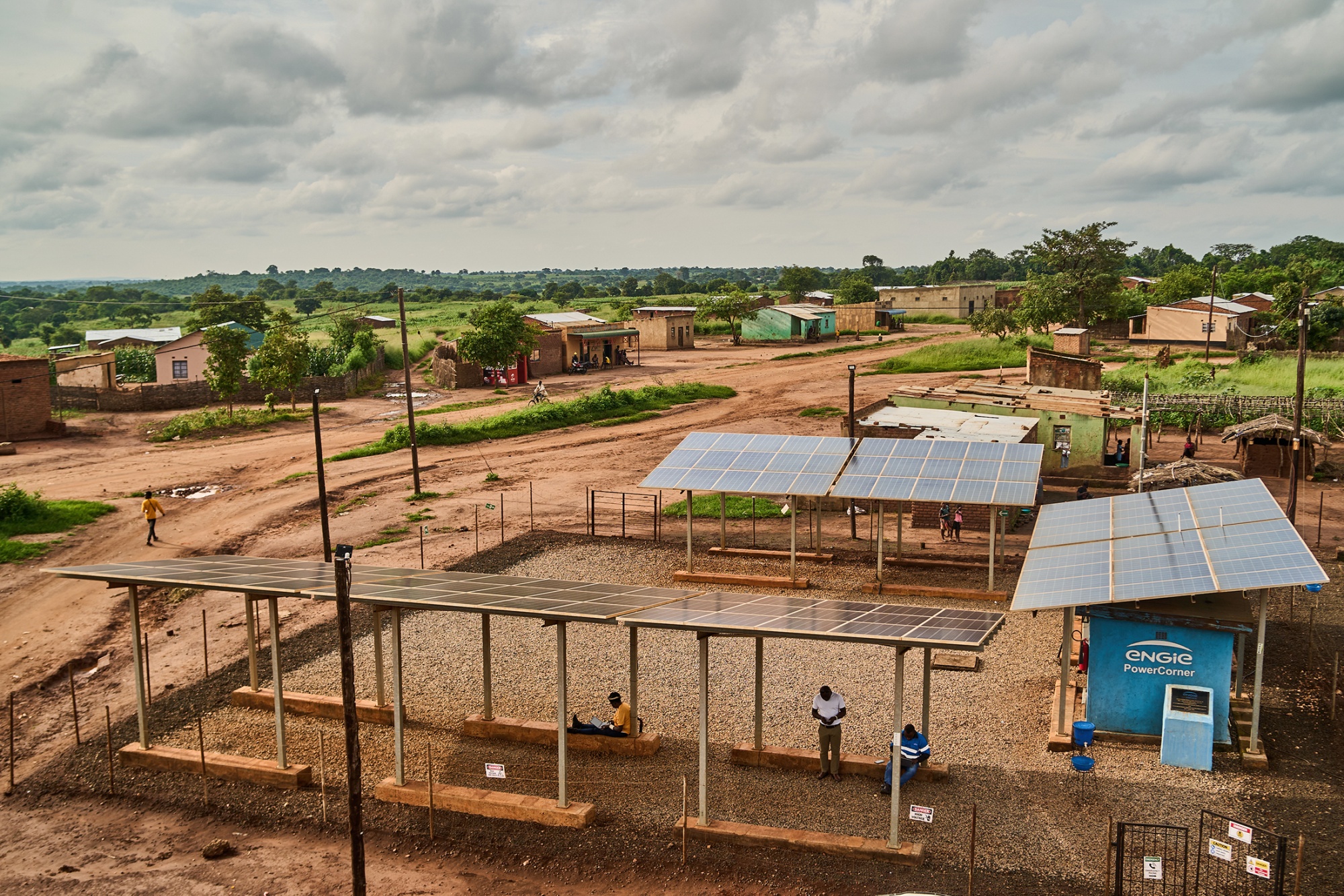
Expanding reliable electricity access does not always depend on one type of power infrastructure. Distributed energy solutions, including mini-grids and other decentralised systems, can provide additional options for communities and businesses where conventional grid service is limited or difficult to extend.
What is a mini-grid?
A mini-grid is a local electricity system that can generate and distribute power to a defined group of customers. Depending on its design, it may use solar, battery storage, gas, hydro or a combination of technologies.
Why distributed energy can matter
Local power systems can be useful in areas where extending or reinforcing conventional networks is challenging. They can also support productive activities such as small businesses, agricultural processing, shops, schools and community services.
What makes a mini-grid successful?
Technology is only one part of the equation. Successful projects require appropriate site assessment, sound engineering, sustainable operations, customer engagement, transparent commercial arrangements and compliance with applicable regulations.
Consumer protection remains important
Alternative electricity supply does not remove the need for clear rules. Consumers need to understand the service they are receiving, applicable charges, complaint channels and their responsibilities. Operators likewise need clarity about licensing, standards and regulatory obligations.
ISERC and energy innovation
ISERC identifies energy innovation and the integration of renewable energy technologies and energy-efficiency programmes among its areas of work. Its regulatory mandate is intended to support an electricity market that is sustainable, efficient, affordable and reliable.
Looking ahead
As Imo State works to expand electricity access, a combination of grid improvements, distributed generation, renewable energy and responsible private investment can contribute to a more resilient power sector. The regulatory framework provides the structure within which these solutions can develop while keeping consumer interests in view.