Solar energy is no longer a niche technology for early adopters — it is increasingly central to how Nigeria and the world intend to close the electricity access gap. Imo State is no exception.
Nigeria sits within one of the highest solar irradiation zones in the world. The sun shines generously and consistently across the South East, including Imo State — making solar photovoltaic (PV) technology one of the most naturally suited energy solutions for the region. Yet for most of Imo State’s history, this resource has gone largely unharnessed at scale. That is beginning to change — and ISERC intends to play a central role in facilitating that change responsibly.
The Case for Solar in Imo State
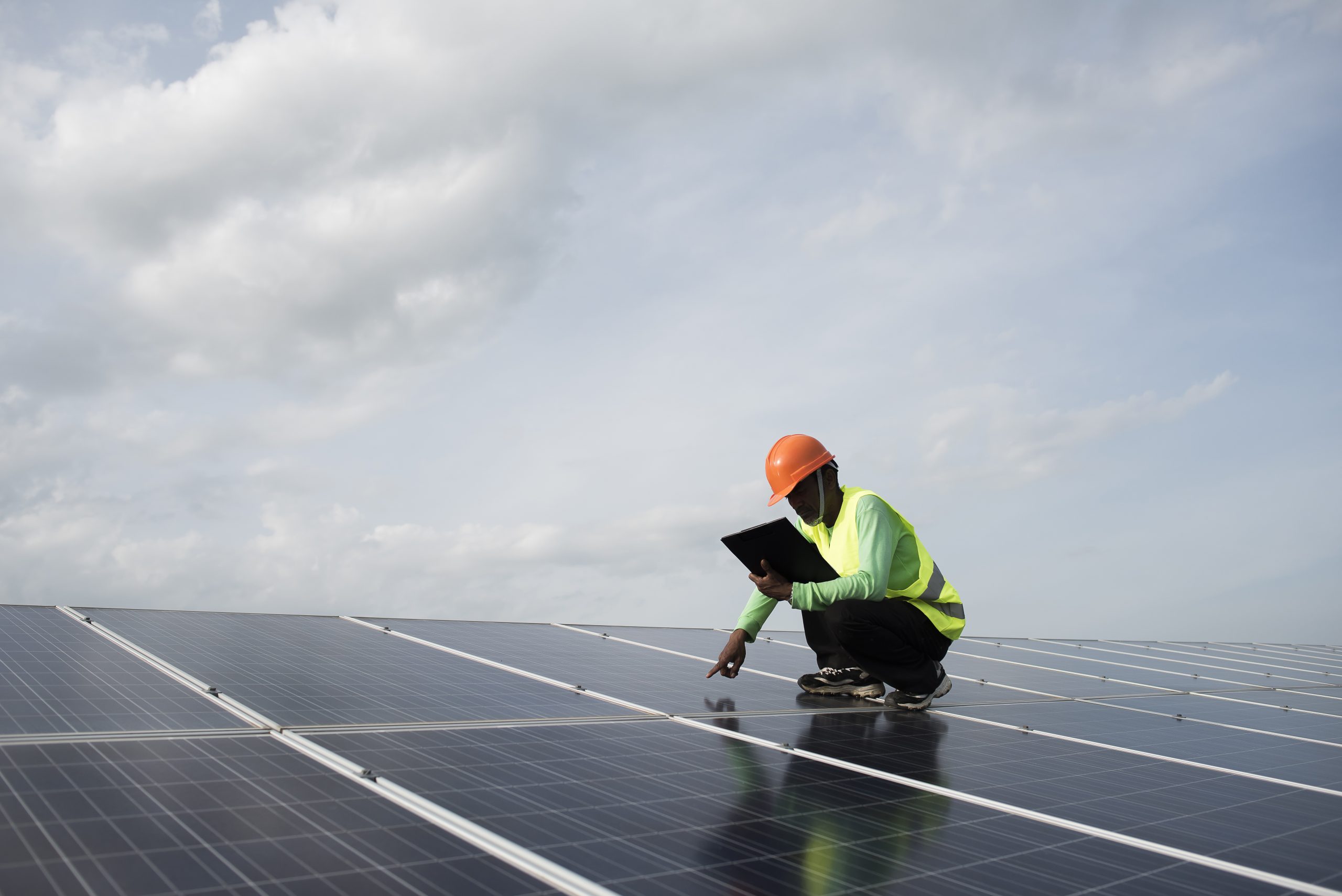
Solar energy offers several compelling advantages in the Imo State context. The fuel source — sunlight — is free, locally available, and inexhaustible. Solar PV systems have no moving parts, reducing maintenance complexity and cost. The technology has fallen dramatically in price over the past decade, making it competitive with — and in many scenarios cheaper than — diesel generation. And unlike the national grid, solar systems can be deployed at the scale appropriate to the need: from individual rooftop installations serving a single household to larger mini-grid systems powering an entire community.
For rural and peri-urban communities in Imo State that have little or no grid electricity, solar represents the most practical near-term path to reliable power.
Current Landscape in the State
Solar adoption in Imo State is growing, though largely in an uncoordinated and unregulated manner. Many households and businesses have installed solar panels and inverter systems for self-consumption — a positive development, but one that falls outside any formal regulatory framework. A smaller number of solar mini-grid projects have been deployed in rural communities, some supported by federal government programmes and international development finance. The potential, however, far exceeds what has been deployed to date.
Where Regulation Comes In
The growth of solar energy in Imo State brings important regulatory questions. How are mini-grid tariffs set and approved? What happens when the main grid is extended to a community already served by a solar mini-grid? What technical standards must solar installations meet to ensure safety? How are disputes between mini-grid operators and communities resolved? These are not hypothetical concerns — they are live issues in Nigeria’s growing solar sector, and they require clear regulatory answers.
ISERC’s mandate covers all of these questions. The Commission is empowered to license solar mini-grid operators, approve their tariffs, establish technical and safety standards for solar installations within the state, and provide a dispute resolution mechanism for conflicts arising in the sector. By providing this regulatory clarity, ISERC reduces the risk for developers and the uncertainty for communities — creating conditions in which responsible solar investment can scale.
Challenges That Must Be Addressed
Solar energy’s promise in Imo State does not mean the path is without obstacles. Financing remains a significant barrier — many solar developers struggle to access affordable capital, particularly for projects in lower-income rural communities. Consumer awareness and trust in solar technology, while improving, is still limited in some areas. And the technical capacity to install, operate, and maintain solar systems at quality needs to be developed locally.
ISERC does not have the mandate to solve all of these challenges directly — but it can contribute by creating a regulatory environment that attracts reputable developers, protects consumers from poor-quality installations, and supports the financial structures that make solar investment viable.
A Clean Energy Future for Imo State
Imo State’s electricity future does not have to look like its past. The combination of a new regulatory framework, falling solar technology costs, growing investor interest, and a state government committed to energy reform creates a genuine opportunity to leapfrog decades of infrastructure underinvestment. ISERC is committed to being a constructive, responsive, and forward-looking regulator as that future takes shape — one solar installation, one licensed mini-grid, and one empowered community at a time.