Electricity provides essential services, but unsafe electrical practices can cause shocks, fires, equipment damage and other serious incidents. Safety is therefore a shared responsibility involving consumers, electricity providers, contractors and regulators.
Do not tamper with electrical infrastructure
Consumers should not interfere with transformers, poles, distribution lines, meters or other network equipment. Work on electrical infrastructure should be handled by appropriately authorised and qualified personnel.
Report dangerous conditions
Report exposed conductors, damaged poles, sparks, leaning structures, burning equipment and other hazards to the responsible electricity provider or appropriate emergency authority. Keep children and other people away from the affected area until it has been made safe.
Use qualified electrical professionals
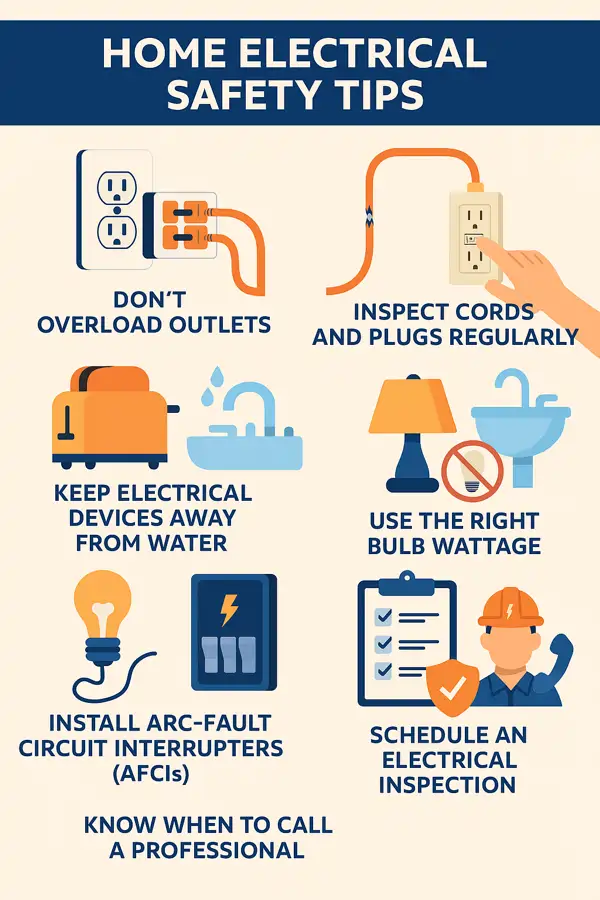
Electrical installation and repair work should be carried out by competent professionals using appropriate materials and safe practices. Improvised connections can create risks that may not be immediately visible.
Protect appliances
Voltage fluctuations can damage electrical equipment. Consumers can reduce risk by using appropriate protection devices recommended for their equipment and by avoiding overloaded sockets and unsafe extension arrangements.
Know what to do during an electrical emergency
If a person is in contact with a live electrical source, do not touch the person while the source remains energised. Keep a safe distance, disconnect the supply only if it can be done safely, and seek emergency medical assistance.
The role of regulation
The Imo State Electricity Reforms Law 2024 empowers ISERC to establish and enforce safety, security, reliability and quality standards for the electricity sector in the state. Consumer awareness and responsible behaviour complement these regulatory responsibilities.
Electricity safety starts with recognising hazards early, reporting them promptly and never taking unnecessary risks around live electrical equipment.